

The Parent's Guide to Sustainable Children's Clothing Brands in 2026
What if your child’s favorite birthday dress didn't have an expiration date? Most parents know the quiet sting of a beloved outfit becoming too small just weeks after the first wear, or the worry that harsh, cheap fabrics might irritate delicate skin. It's exhausting to navigate the disposable nature of festive wear while trying to decode confusing labels that often feel like greenwashing. You want pieces that capture the magic of a hand-drawn print but also respect the earth.
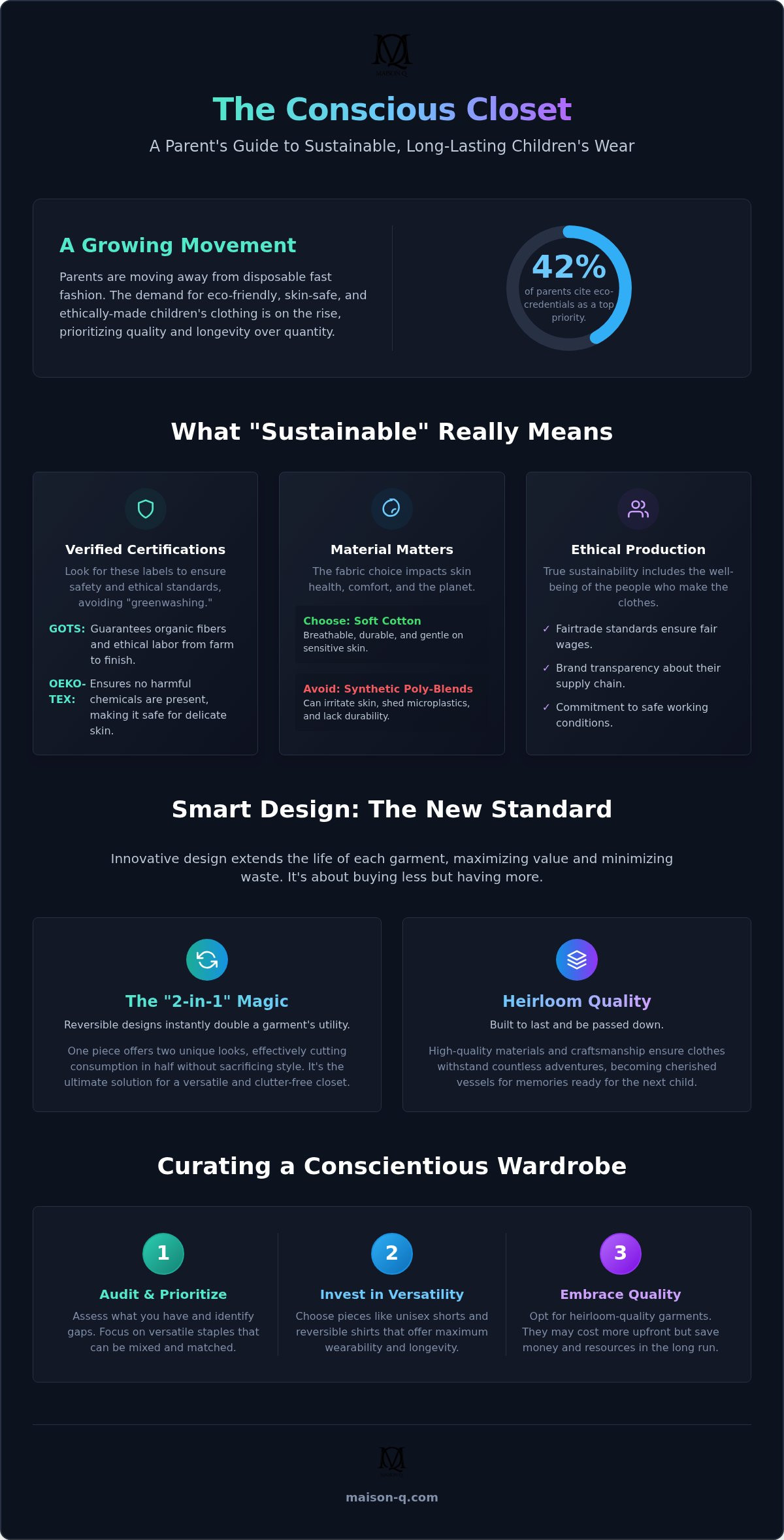
In this guide, we'll show you how to find sustainable children's clothing brands that balance high-quality craftsmanship with ethical labor practices. With 42% of new parents now citing eco-friendly credentials as a top priority in 2026, the path to a conscious closet has never been clearer. You'll learn how to spot genuine certifications like OEKO-TEX and discover the cleverness of reversible, 2-in-1 designs that double the life of a garment. We're moving beyond the clinical feel of mass retail to build a whimsical, curated wardrobe that grows with your child and stays soft through every adventure.
Key Takeaways
- Learn how to identify truly sustainable children's clothing brands by decoding key certifications like GOTS and OEKO-TEX to ensure every thread is safe and ethical.
- Discover why moving away from disposable fast-fashion poly-blends protects your child’s skin while reducing environmental impact.
- Uncover the "2-in-1" magic of reversible designs that double a garment’s utility and maximize the value of every heirloom-quality piece.
- Master the art of the conscientious wardrobe audit to prioritize versatile staples like unisex shorts and reversible shirts for a clutter-free closet.
- Balance whimsical, hand-drawn aesthetics with a polished edge to ensure your child’s wardrobe is both a vessel for joy and a commitment to the planet.
The Shift Toward Slow Fashion in Children’s Closets
Imagine a closet that breathes with the seasons. A space where every hemline and stitch tells a story of discovery rather than a tale of waste. In 2026, the allure of fast fashion is fading as parents witness the environmental cost of disposable outfits. While mass-market retail often relies on synthetic poly-blends that pill and irritate, a new movement is taking root. Leading sustainable children's clothing brands are proving that style doesn't have to be fleeting. They're replacing the clinical feel of the shopping mall with a boutique-inspired warmth that celebrates childhood wonder.
The emotional benefit of this shift is palpable. When you tuck a child into a soft cotton onesie or dress them in a whimsical tulle piece, there is a sense of peace. You aren't just dressing them for the day; you are protecting their future. This intentionality creates a wardrobe that feels premium, personal, and profoundly kind to the planet. It's a sophisticated edge for the modern family, treating every garment as a vessel for joy and storytelling.
Why Kids' Clothes are a Sustainability Challenge
Growth spurts are a natural part of childhood, yet they create a unique textile hurdle. Traditional retail encourages a cycle of constant replacement, leading to staggering amounts of textile waste in 2026. Beyond the landfill, low-quality synthetic fabrics shed microplastics into our oceans with every laundry cycle. These irritants aren't just bad for the water; they're often the culprit behind sensitive skin flare-ups. Slow fashion is a commitment to quality over quantity. By choosing materials like soft cotton, parents ensure that garments remain soft and sturdy through every playground tumble and birthday celebration.
The Rise of the Conscious Boutique Brand
Boutique labels are now outpacing mass giants by offering something money can't buy in a supermarket: transparency. There is a quiet joy in knowing the care taken in the creation of a garment. This shift has transformed the way we shop, moving from buying for now to buying for the next child. Parents are increasingly drawn to sustainable fashion that features hand-drawn, original prints that spark the imagination.
These aren't just clothes; they are heirlooms. A reversible dress or a pair of unisex shorts becomes a vessel for memories, destined to be passed down rather than tossed away. Sustainable children's clothing brands are focusing on clever design innovation to make this possible. Pieces that offer multiple looks in one garment, like reversible shirts, effectively cut consumption in half without sacrificing the magic of a fresh aesthetic. This methodical yet breezy approach to style ensures that the experience of dressing your child feels like a curated journey through a world of charm and clever functionality.
Defining Sustainability: More Than Just Organic Cotton
Sustainability is far more than a simple buzzword. It's a quiet, beautiful commitment to the future. While many sustainable children's clothing brands highlight organic cotton, the true magic lies in the details you can't always see. It's about the invisible thread of ethics that connects a designer's vision to your child's nursery. Understanding certifications like GOTS and OEKO-TEX isn't just about technicalities; it's about peace of mind. These labels ensure that no harmful chemicals touch your child’s skin and that the hands that crafted the garment were treated with dignity. Fairtrade standards further guarantee that the human element of fashion is never forgotten.
Greenwashing remains a persistent challenge in 2026. Many mass-market giants use "eco" tags on polyester blends that still shed microplastics and irritate delicate skin. To find the truth, look for transparency. A brand should be able to tell you exactly who made their clothes and why they chose a specific fiber. This honesty is what separates a disposable outfit from a cherished heirloom. When a brand treats its products as vessels for storytelling, the quality is usually evident in every seam.
Material Matters: Beyond the Label
Soft cotton is a gift to sensitive skin. It offers a tactile comfort that synthetic blends simply can't replicate. Beyond the feel, durability is the secret engine of environmental sustainability. A garment that retains its shape and color through dozens of washes is a garment that stays out of the landfill. This is the foundation of a circular system for children's clothing where the focus shifts from "new" to "lasting." Boutique fabrics are chosen for their resilience, ensuring that a favorite piece can be passed down to a younger sibling or a friend without losing its charm.
Ethical Production and Fair Wages
Small-batch production ensures that every collection is curated with care. This approach prevents the tragic overproduction that plagues the fast-fashion industry. When a brand prioritizes craftsmanship, they're investing in the longevity of each piece. This isn't just about a polished aesthetic; it's about the cleverness of design that respects the artisan's time and the planet's resources. Ethical production means supply chains are short and manageable, allowing for a level of oversight that mass retail simply cannot match.
Knowing the story behind the stitch adds an emotional resonance to your child's wardrobe. It transforms a morning routine into a moment of connection. For parents seeking this balance of beauty and ethics, choosing high-quality, versatile pieces is a gentle way to begin a more conscious journey. Every choice we make today shapes the world our children will play in tomorrow. By investing in craftsmanship, we teach our little ones to value the things they own and the people who made them.
Design Innovation: Why Versatility is the New Sustainability Standard
Utility is the quiet heart of a conscious closet. While fabric choice is vital, the most innovative sustainable children's clothing brands are now using design as a tool for environmental change. It's about moving away from the "disposable" mindset of mass retail. Instead of buying a single-use outfit for a party, parents are seeking garments that transition effortlessly from a whimsical afternoon at the park to a polished family dinner. This shift is a core tenet of the slow fashion movement, where every piece is crafted to be used, loved, and eventually passed on.
The "Cost Per Wear" calculation is a savvy parent's best friend. A high-quality shirt that survives fifty playground adventures and fifty laundry cycles is far more sustainable than a cheap alternative that loses its shape after two washes. Many sustainable children's clothing brands prioritize these durable construction methods to ensure their collections stand the test of time. By investing in premium materials like soft cotton, you reduce the need for constant replacements. This approach also naturally lowers water usage and laundry frequency. Better fabrics often require less intensive care to look their best, allowing the garment to remain a vessel for joy rather than a chore.
The Magic of Reversible Clothing
Imagine a suitcase packed for a weekend getaway that takes up half the space. This is the practical beauty of reversible kids clothes singapore. By offering two distinct looks in a single garment, these pieces effectively halve textile waste while doubling the styling options. For a messy toddler, a reversible shirt is a lifesaver; simply flip it over to reveal a fresh, hand-drawn print. The design challenge lies in the craftsmanship, ensuring that both sides are equally polished and comfortable, with no hidden seams to irritate delicate skin.
Heirloom Quality: Clothes That Grow
Sustainable fashion should never be a race against the measuring tape. Choosing silhouettes with a sophisticated edge, such as adjustable straps or unisex shorts, allows a garment to accommodate a child’s natural growth. Timeless, adjective-rich prints outlast the fleeting popularity of seasonal character trends, ensuring the clothes remain stylish year after year. Heirloom quality facilitates a circular fashion economy by ensuring that garments are durable enough to be cherished by multiple children over many years. This methodical approach to design ensures your child’s wardrobe is both a practical daily tool and a collection of beautiful stories.
Curating a Conscientious Wardrobe for Growing Children
Building a wardrobe that respects both your child's imagination and the earth is a curated journey. It starts with a thoughtful pause. Before adding new pieces, audit the current closet to identify genuine gaps and high-wear items. This prevents the clutter of "just in case" purchases that often define mass-market retail. By focusing on a cohesive color palette, you ensure that every piece dances well with the others, making morning dressing a breezy, effortless ritual. This methodical approach is a hallmark of the most thoughtful sustainable children's clothing brands, prioritizing utility without losing the magic of childhood.
Caring for these treasures is just as vital as choosing them. Simple acts like washing in cold water and air-drying help maintain the tactile quality of soft cotton and delicate tulle. When you treat products as vessels for joy, they last long enough to tell stories for years to come. Investing in "Hero Pieces" for special occasions ensures that even the most celebratory outfits have a polished, sophisticated edge that stands the test of time. This is how sustainable children's clothing brands envision their impact; through garments that remain vibrant and sturdy across every growth spurt.
Building a Sustainable Capsule Wardrobe
A successful capsule follows the 80/20 rule: 80% versatile staples and 20% whimsical special occasion wear. For the little gentlemen, focus on smart casual for boys in Singapore essentials like crisp reversible shirts and durable unisex shorts. For girls, balance the magic of fairy-tulle whimsy with soft, everyday comfort. These hero pieces add a polished edge to the wardrobe without overwhelming the practical needs of daily play, ensuring your child is ready for any adventure.
Sustainable Choices for Festive Occasions
Festive seasons often invite the "one-wear" trap, where elaborate outfits are retired after a single afternoon. To avoid this, seek out unique kids fashion in Singapore that transitions beautifully throughout the year. A fairy tulle dress, for instance, can be styled for a birthday party or a simple Sunday brunch. By choosing pieces with heirloom quality, you invest in formal wear that can be passed down to siblings, becoming a cherished part of family history rather than textile waste.
Ready to start your collection? Explore our curated range of reversible and single-side apparel to find pieces that grow with your family and spark the imagination.
Maison Q: Where Whimsical Design Meets Sustainable Functionality
We believe there are always two sides to every story. At Maison Q, our philosophy is rooted in the idea that children's apparel should be a vessel for joy, storytelling, and clever utility. By merging childhood wonder with a polished, boutique edge, we've created a curated atmosphere that feels both premium and personal. From the first soft baby onesie to elegant single side dresses for teens aged 8Y to 16Y, our collections accompany your child through every magical milestone. Supporting the national fashion ecosystem through boutique craftsmanship ensures that every piece is an investment in both your family’s history and a more ethical industry.
Choosing sustainable children's clothing brands shouldn't mean sacrificing the joy of a beautiful aesthetic. Our hand-drawn prints are designed to spark the imagination, turning a simple morning routine into a moment of discovery. This methodical yet breezy approach to design ensures that every garment provides a sophisticated edge for the modern family, balancing the practical needs of daily life with the beauty of imaginative play.
The Reversible Difference
Our signature reversible shirts and dresses are more than just clever design. They represent a fundamental shift in how we view consumption. By providing two distinct, vibrant looks in a single garment, we effectively offer double the style with half the closet clutter. This technical precision requires an exacting eye for detail; every seam must be invisible and every button perfectly placed to ensure a high-end finish on both sides. It is this dedication to innovation that positions Maison Q as a leader among sustainable children's clothing brands. Parents no longer have to choose between a whimsical aesthetic and a lasting environmental impact.
Discovering Your Next Heirloom
The journey into our world of charm continues with our latest collections. Whether you're drawn to the ethereal layers of our fairy tulle dresses or the playful energy of our reversible shirts, every piece is designed to be cherished. You can experience the tactile quality of our soft cotton and craftsmanship firsthand by visiting our national kids clothing stockists across the country. These locations offer a curated journey through our most beloved designs, allowing you to find the perfect gift set or staple for your little one.
Every garment we create is a commitment to the beauty of youth and the health of the planet. We invite you to explore our current collection and discover the piece that will become your family's next heirloom. Build a wardrobe that celebrates the magic of childhood while honoring the world your children will inherit.
Dressing the Next Generation with Care
Choosing the right path for your child’s wardrobe is about more than just fabric. It's an invitation to embrace slow fashion through clever, versatile designs that respect the planet. By prioritizing durability and identifying truly ethical sustainable children's clothing brands, you transform daily dressing into a meaningful act of care. You've learned how certifications and utility focused design can help you build a capsule collection that survives every growth spurt and playground adventure.
At Maison Q, we've been perfecting this balance of magic and utility since 2015. Our original reversible designs offer two looks in one, crafted from premium soft cotton and artisanal tulle that parents love for its heirloom quality. These pieces aren't just clothes; they are vessels for storytelling and joy. Discover Whimsical, Reversible Style at Maison Q and start curating a wardrobe that celebrates childhood wonder. Your choices today create a beautiful, lasting legacy for the little ones who will inherit the world we share.
Frequently Asked Questions
Is organic cotton really better for my child?
Yes, organic cotton is significantly gentler on sensitive skin because it's grown without synthetic pesticides or harsh fertilizers. This reduces the risk of skin irritation and allergic reactions for newborns and toddlers. The tactile quality is also superior, offering a soft, breathable experience that remains sturdy through every playground adventure and birthday celebration.
How can I tell if a children's brand is actually sustainable?
Identify ethical labels by looking for transparent supply chains and recognized certifications like GOTS or OEKO-TEX. Truly sustainable children's clothing brands openly share stories about their production methods and the artisans who craft their collections. This transparency ensures every thread is safe for your child and kind to the environment, avoiding the clinical feel of mass retail.
Are reversible clothes more expensive than regular kids' clothes?
Reversible garments offer a lower cost-per-wear because they provide two distinct looks in a single piece. While the upfront cost reflects the technical precision of the craftsmanship, the "2-in-1" utility effectively halves your spending over time. It's a clever way to reduce closet clutter while maintaining a premium, polished wardrobe for your growing children.
What is the best way to care for high-quality sustainable fabrics?
Wash your garments in cold water and air-dry them to preserve the integrity of the natural fibers. Avoiding high heat and harsh chemicals keeps materials like soft cotton and fairy-tulle vibrant and soft for years. This simple, thoughtful care routine ensures your favorite pieces can be passed down as cherished heirlooms rather than becoming textile waste.
Can sustainable children's clothing be fashionable and colorful?
Absolutely, eco-conscious fashion is often more vibrant and imaginative than mass-market alternatives. Many sustainable children's clothing brands specialize in hand-drawn, whimsical prints that spark a child's imagination. You don't have to sacrifice a polished, sophisticated aesthetic to make a kind choice for the planet; sustainability and style can dance together beautifully.
Why is 'Slow Fashion' important for the children's apparel industry?
Slow fashion counters the disposable nature of modern retail by focusing on quality over quantity. It addresses the massive textile waste caused by rapid growth spurts and cheap, synthetic fabrics that pill quickly. By investing in better construction and timeless silhouettes, we ensure clothes stay in closets and out of landfills for much longer.
How do I build a sustainable wardrobe on a budget?
Build your collection by focusing on versatile staples and the 80/20 rule to maximize every purchase. Prioritize multi-functional items like reversible shirts or unisex shorts that offer multiple styling options for different events. Investing in fewer, high-quality garments that endure is often more economical than the endless cycle of replacing cheap, disposable fashion every few weeks.
What should I look for in ethical baby onesies?
Prioritize soft, natural materials and nickel-free snaps that are safe for a newborn's delicate skin. Check for certifications that guarantee the absence of harmful substances and dyes. Ethical onesies should be durable enough to survive frequent washing while maintaining their whimsical charm and cozy fit, making them perfect vessels for early childhood joy.